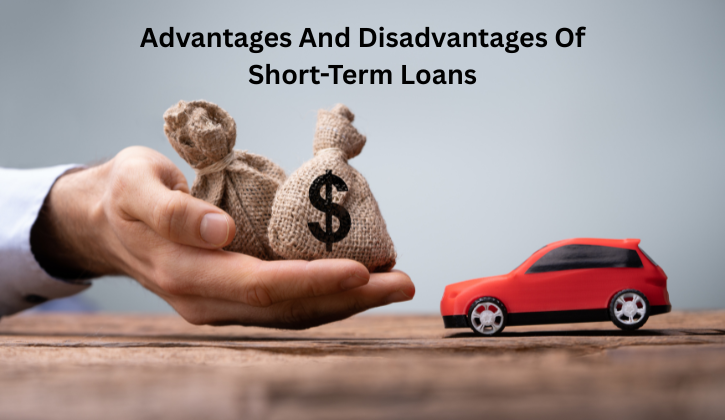
Short-term loans are used to address financial constraints worldwide. These loans are structured quickly and efficiently to cover expenses until your next paycheck or to address unexpected costs. But before applying, it is essential to consider both the benefits and potential drawbacks. This article will take you through the key advantages and disadvantages of short-term loans so that you can figure out whether this financial solution is suitable for your situation. If you are in a difficult cash flow situation, have to deal with a surprise bill, or are just interested in short-term borrowing, then this guide is the right one for you.
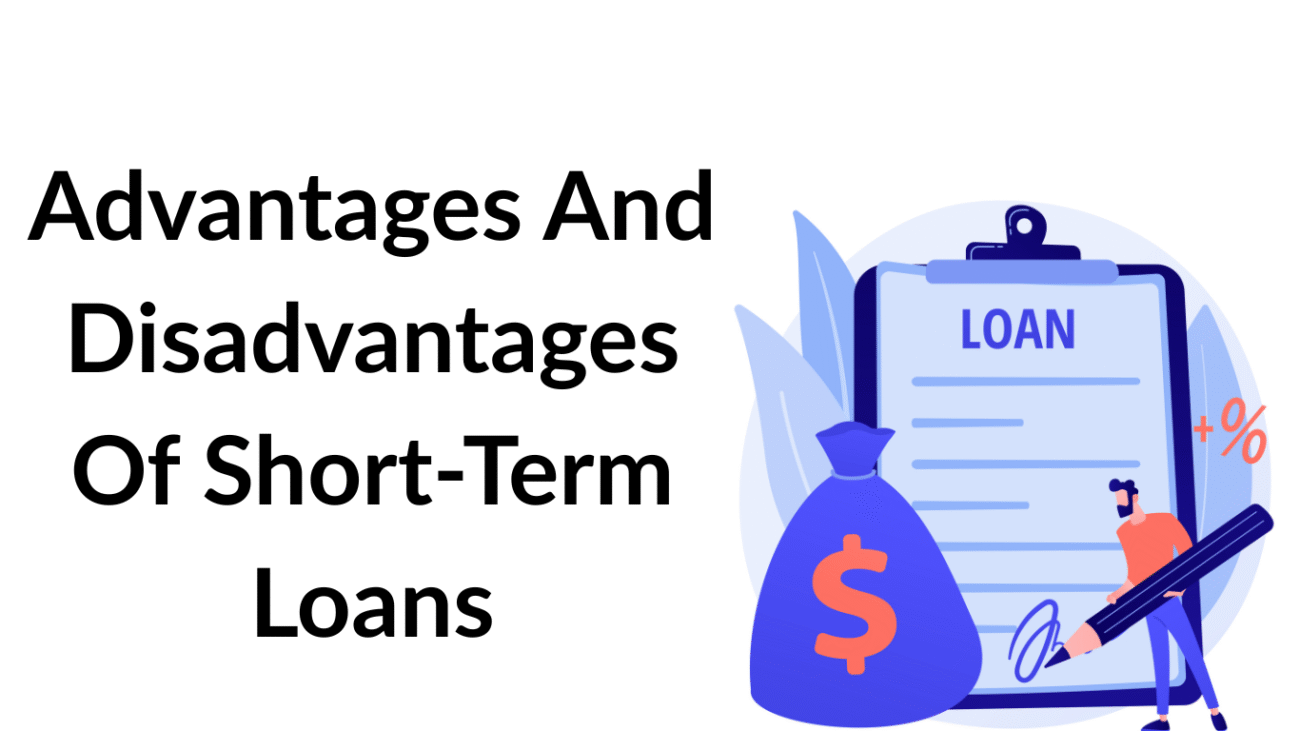
What Are Short-Term Loans?
Short-term loans are typically available through online lenders and alternative finance providers, while conventional banks are usually not in the business of offering such funds. The loans have short repayment periods; typically from a couple of weeks up to a few months, which makes them a good fit for borrowers in need of quick access to cash.
Such loans might serve your personal and business requirements, especially if you are paying for an urgent or unplanned expense.
It is necessary to check the loan terms and also the conditions, such as interest rates and possible charges, before submitting an application. Each lender determines its rates and options for repayment differently, so by comparing several offers, you can select the cost-effective and most suitable solution for your financial problems.
Key Advantages of Short-Term Loans
Short-term loans offer different benefits. In many cases, these are the reasons borrowers choose them. Here are the significant advantages when considering short-term borrowing:
- Quick access to funds: Short-term loans are designed for fast approval and funding, so they are credited to your bank within 2 to 3 days.
- Easier qualification: Most lenders are more flexible with credit history, which is why loans can be approved even with a poor credit score.
- Simple application process: The application process is quite simple, with minimal paperwork. Often, this process is completed online.
- Shorter repayment period: Since loans can be repaid within a month. Therefore, debt is cleared faster, and long-term financial commitments can be avoided.
- Lower overall interest: Because the loan term is short, the total interest paid is often less than with long-term loans.
- Flexible use: Short-term loans can be used for any purpose, such as emergencies, home or car repairs, and even business needs.
- No collateral required: Short-term loans also do not require security, making them a convenient option for those without assets to pledge.
- Potential credit score improvement: If you make repayments on time, it has a direct positive impact on your credit history.
Understanding the Risks of Short-Term Loans
Short-term financing is a viable option when you require fast access to cash; however, it also entails some disadvantages that you should be aware of. Below is a list of the most important ones:
- Short-term loans have higher interest rates than long-term loans. If they are not repaid on time, they become more expensive.
- Repeatedly applying for short-term loans can lead to a cycle of debt, especially if you struggle to meet repayment deadlines.
- Such loans require fast repayment, which increases financial pressure and can also lead to cash flow issues if income is irregular.
- Missed or late payments can increase the chances of additional fees, which can further create a debt burden.
- Failure to repay on time damages credit scores, making future borrowing more difficult.
- Short-term loans offer smaller sums, making it difficult to cover larger expenses.
When Are Short-Term Loans a Good Option?
1. When They Make Sense for Individuals
Short-term loans can be a good option for a limited period for those people who find themselves in an unexpected situation or have a money-related issue that cannot be delayed. Such loans may be viewed as fit when the following conditions are met:
- It is the case that you have to face urgent expenditures of such kind as emergency car repairs, medical bills, or essential home repairs.
- If you can pay back the loan very quickly, e.g., when you receive a salary, bonus, tax refund, or some other assured income.
- Additionally, if you require money immediately and cannot wait for the bank to grant its approval, then such a loan is suitable for you.
2. When Businesses Can Benefit
Small businesses can rely on short-term loans to handle situations where there is a cash flow shortage, buy necessary items for the business or machinery, take advantage of a short-term offer, and pay for any unexpected costs, hence being able to continue their business without any hiccups.
3. Red Flags That Indicate Caution
However, despite these benefits, short-term loans may not always be the right choice. You should proceed fully if:
- If you’re unsure how to repay the loan in a short period of time, consider these loans.
- These loans come with high interest rates and hidden fees.
- Instead of improving your financial situation, these loans can worsen it.
Alternatives to Short-Term Loans
Instead of short-term loans, other alternatives can also be considered, which are sustainable and affordable options for you.
- Personal loans: Such loans provide more significant amounts and extended repayment periods than short-term loans, usually at lower interest rates. These loans are the best for various personal needs and can be initiated either through banks or online lenders.
- Overdraft protection: Overdraft facilities are available with many banks in the UK, and they can be used to cover shortfalls in your account. In most cases, these are less costly than short-term loans, but if the limits are exceeded, charges will be incurred.
- Business loans: Business owners can also look for business loans if they have one. These cover business expenses, expansion, or cash flow gaps, etc.
- Asset loans: If you have valuable assets like property or vehicles, you can use them as collateral for a secured loan. This option is also ideal because it comes with lower interest rates and higher borrowing limits.
- Business credit lines or invoice financing: Businesses can use these options to take a loan against their unpaid invoices or to have a flexible credit line, which gives them continuous access to funds whenever they need them.
Conclusion
In case you very much need fast and flexible funding, short-term loans can be very handy; however, they still carry some risks, such as higher costs and shorter repayment windows. Knowing both sides of the story will help you use credit in a more reasonable way. In case you are pondering about short-term financing, TRK Finance is there to give you the right direction and provide you with customized solutions so that you can make the right decision.