UK small businesses in 2026 are trading on a playing field defined by spiralling costs, squeezed margins, and an ever-greater pace of change in consumer expectations. Sourcing alternative funding to aid with cash flow, invest in growth, and remain competitive. In comparison, many are the lifelines for the UK’s 5.9 million SMEs, who could help businesses win new deals.
But one of the largest challenges business owners face is distinguishing between short-term loans and traditional business loans. Both options have their own use cases, and selecting the wrong one may mean the difference between a business staying sane and being stuck in long-term financial headaches.
This guide breaks down the primary distinctions in plain terms, so you can make your decision on the loan that best serves you.
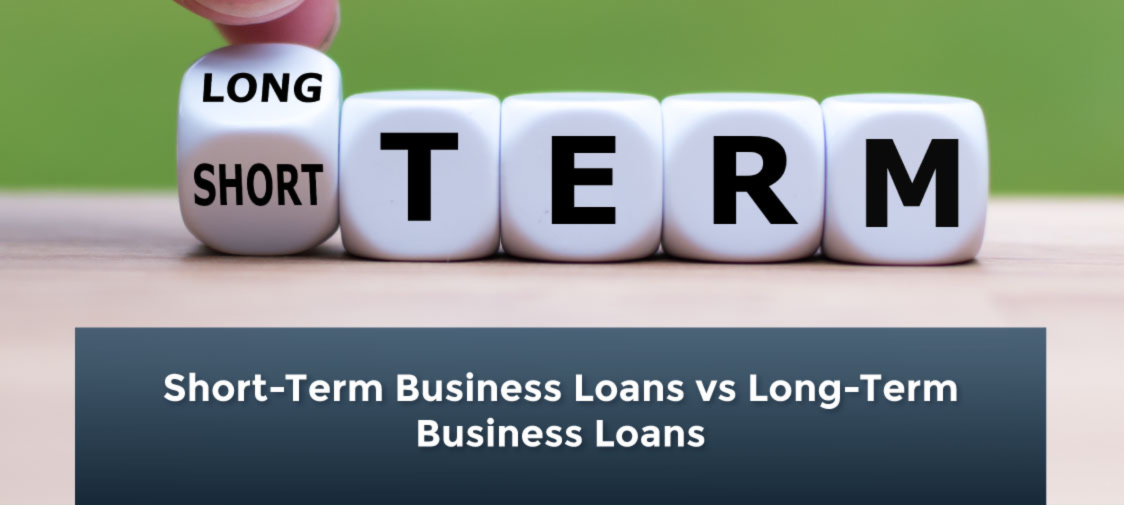
Choosing Between a Short-term Loan and a Traditional Business Loan
Both are effective, but for different reasons. Opting for the wrong kind of loan can result in unnecessary debt, slowed growth, or cash flow. The right one can stabilize your business and open up opportunities just when you need them. Let’s learn more about both one by one.
What Is a Short-Term Loan?
A short-term loan is financing designed to meet immediate or short-term financial needs. These loans are typically approved within seconds and repaid with fast repayment terms. Payment can also be made by loaning back for 3 to 18 months, and it’s agreed quickly, possibly within 24 – 48 hours. These are suitable for businesses dealing with immediate expenses, short-term cash flow shortages, or seasonal highs and lows.
Whether a merchant is planning for the holiday season, a bakery needs expedited inventory replenishment, or a café experiences unplanned equipment failure, sometimes turning to short-term loans can help keep operations running smoothly. Although these loans are fast and flexible, their interest rates are typically higher due to the shorter repayment term.
Typical Features of Short-Term Loans
- Term of loan: 3-18 months
- Amount of loan: Typically lower (lenders will naturally cover more mortgage for less remortgage!). Amounts usually depend on the provider.
- Speed: Approval can be as fast as 1–2 days.
- Objective: Tying up money, investing in inventory, downturns during seasons, and unscheduled maintenance.
- Cost: Higher interest rates because of shorter terms.
Functional Short-Term Loans
Short-term loans work well when businesses need money quickly without a long-term commitment.
Examples of Short-Term Loan Use
- A bakery in Manchester trying to keep up with a holiday-season rush could use the extra stock right now.
- A local retailer has slow-paying customers and has payroll to pay.
- The cafe’s refrigerator stops working and needs to be replaced urgently.
- In such cases, waiting weeks for a traditional loan will not work.
- With a short-term loan, the business can act quickly and ensure that operations go on as they should.
What Is a Business Loan?
A business loan, often called a term loan, is intended for long-term financial planning, large capital investments, or strategic business growth.
In comparison, business loans are typically larger and less expensive in the long run and are best used for strategic growth.
It’s essential to understand the distinctions between them, because making the wrong choice can drain your cash flow or slow down your growth, while choosing wisely can significantly improve your business’s overall financial foundation.
For long-term growth, expansion, or purchasing assets that will provide returns over many years, business loans make more sense. And by knowing what you need and how the different types of lending align with your financial lifestyle, you can choose funding that helps you continue growing your business responsibly.

Typical Features of Business Loans
- Interest period: 1-5 years (sometimes as high as 10 years)
- How much you can borrow: Larger amounts in millions
- Cost: Overall, cheaper interest rates because of an extended period.
- Turnaround time: Lengthy processing (days to weeks)
- Use of proceeds: Growth capital, acquisitions, hiring, equipment purchase, expansion, real estate acquisition and improvements, and technology improvements
Functional Business Loans
Conventional business loans are better suited to planned growth rather than urgent needs.
Examples include
- The Midlands-based logistics company is growing its fleet.
- A maker of automated machines that pays a small amount.
- An expanding e-commerce store is opening its second warehouse.
- A service business with 10+ employees and extended-term contracts.
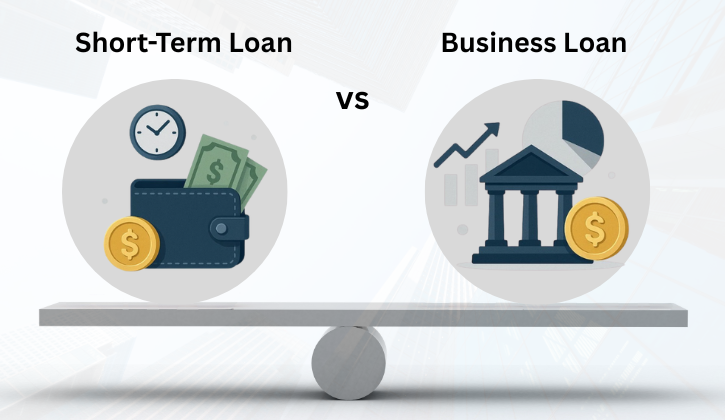
Comparison Between Short-Term Loans vs. Business Loans
Both loans facilitate business expansion, but their distinctions lie primarily in timing, repayment amount, cost of funds, and the purposes of use.
Below are the differentiations.
| Feature | Short-Term Loan | Business Loan |
| Repayment Duration | Within 3–18 months | Within 1–5+ years |
| Funding Amount | Lower amounts | Large funds for big needs |
| Speed of Approval | Instant facility—sometimes within 24 hours (Good for time-bound needs) | Slightly delayed due to extensive verification process |
| Cost | Higher interest rates | Lower rates instead of a longer tenure |
| Purpose | Urgent requirement, sudden temporary shortfall (e.g., covering a gap in cash flow) | Expansion, growth options, long-term investment (e.g., purchasing equipment, real estate) |
| Documentation & Eligibility | More choices, less paperwork | Good credit required, dozens of pages of financials |
- In a nutshell, short-term loans are more expensive but offer greater flexibility. These loans are quickly available when needed. On the other hand, business loans support long-term strategies.
- Business loans are the most cost-effective and offer the best ROI. Short-term loans keep cash flow liquid, whereas business loans enable long-term infrastructure development.
How to Decide Between Loan Types
Which loan is best for a particular person depends on what they need now, when cash will be flowing to them, and what their plans are.
Choose a Short-Term Loan If:
- You require immediate funds in 1–2 days
- You’re in an emergency with a temporary cash-flow dip.
- Your business has seasonal revenue cycles.
- You need a smaller loan that you can pay off more quickly.
- You are funding operations; you aren’t growing.
Choose a Business Loan If:
- You’re planning long-term growth
- You need to be able to purchase equipment, property, or technology.
- You require more loan proceeds.
- You’re looking for a lower interest rate and a fixed monthly payment.
- Your business is profitable and growing well.
Conclusion
Both short-term and business loans have been essential elements of UK small business funding, especially in an economic climate as fast-moving as 2026. The best option depends in part on why you need the money and how urgently you need it, as well as how much time you want to take to pay back what you borrow.
Take out a short-term loan for bills that need to be paid immediately, cash-flow gaps, and seasonal spending. It makes a world of difference to get money quickly.
Whereas, utilising a business loan is the correct choice for significant investments such as expansion, new technology, hiring, and long-term growth strategies. TRK Finance can help you choose the best funding option tailored to your business needs.